Xinjiang spans over 1.6 million square kilometers — larger than Alaska — and its landscapes range from scorching desert basins to snow-capped alpine peaks. That sheer geographic diversity means there is no single "best time" to visit. Instead, each season unlocks a completely different side of this extraordinary region. After years of guiding travelers through Xinjiang, we've put together this comprehensive season-by-season breakdown to help you choose the perfect window for your trip.
Quick Season Overview
- Spring (Mar-May) — Apricot blossoms in Ili, wild tulips, fewer crowds, mild weather
- Duku Highway opens, peak tourist season" data-zh="夏季(6-8月)——薰衣草花海、翠绿草原、独库公路开放、旅游旺季">Summer (Jun-Aug) — Lavender fields, lush grasslands, Duku Highway opens, peak tourist season
- Autumn (Sep-Nov) — Golden Kanas birch forests, Tarim poplars, ideal for first-time visitors
- Winter (Dec-Feb) — Altay powder skiing, frozen Kanas Lake, dramatic savings, uncrowded
Spring: March to May
The Awakening of Xinjiang
Spring arrives gradually in Xinjiang, sweeping from the southern deserts northward to the alpine valleys. By late March, the Turpan basin is already warm, while the Ili Valley's famous apricot blossoms typically peak in early to mid-April. This is a season of quiet beauty — the landscape shakes off winter's grip, wildflowers carpet the hillsides, and the air carries a freshness you won't find during the busier summer months.
Highlights
- Ili Apricot Valley — The wild apricot forests of Turgen and the Ili Valley explode into pink and white blossoms, one of China's most spectacular natural events. The best viewing window is typically April 5-20, but it shifts each year depending on temperatures.
- Wild tulips in Tacheng — The Tacheng region hosts vast fields of wild tulips in late April and May, rivaling anything you'll find in the Netherlands.
- Sayram Lake thaw — By May, the ice on Sayram Lake begins to crack and drift, creating an ethereal landscape of turquoise water and floating ice shelves against snow-dusted peaks.
- Fewer tourists, lower prices — Spring is still shoulder season, meaning hotels are affordable, attractions are uncrowded, and you'll have many iconic sites nearly to yourself.
What to Expect
Temperatures vary wildly in spring. Urumqi averages 5-20 degrees C in April, while the southern deserts of Turpan can already hit 30 degrees C. Pack layers — warm jackets for mornings and evenings, lighter clothing for afternoons. Sandstorms are possible in the Tarim Basin and Turpan region in March and April. Some high-altitude roads, including the Duku Highway, remain closed until June.
Summer: June to August
Xinjiang in Full Bloom
Summer is Xinjiang's peak season, and for good reason. The entire region comes alive — alpine meadows are emerald green, wildflowers blanket the hillsides, and the legendary Duku Highway finally opens its gates (typically mid-June through early October). Days are long, with sunset not arriving until 10 PM or later thanks to Xinjiang's far-western longitude, giving you enormous flexibility for sightseeing and photography.
Highlights
- Ili Lavender Fields — Huocheng County near Yining is China's lavender capital. Fields peak in mid-to-late June, creating purple seas against a backdrop of the Tianshan range.
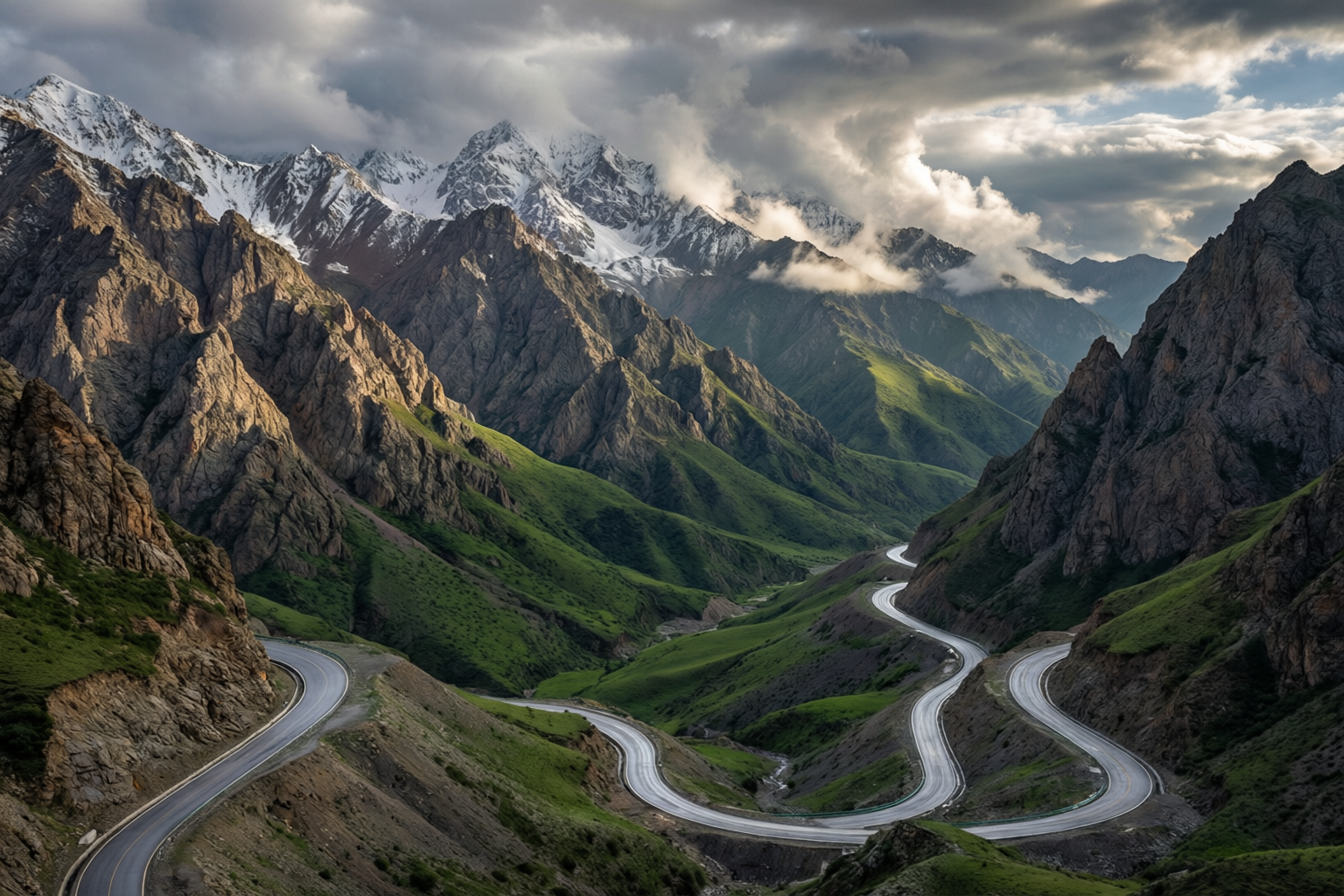
- Duku Highway — This 561-kilometer engineering marvel cuts through the Tianshan mountains, connecting Dushanzi to Kuqa. It's open only from roughly mid-June to early October, and driving it is a bucket-list experience — you'll pass through four seasons in a single day.
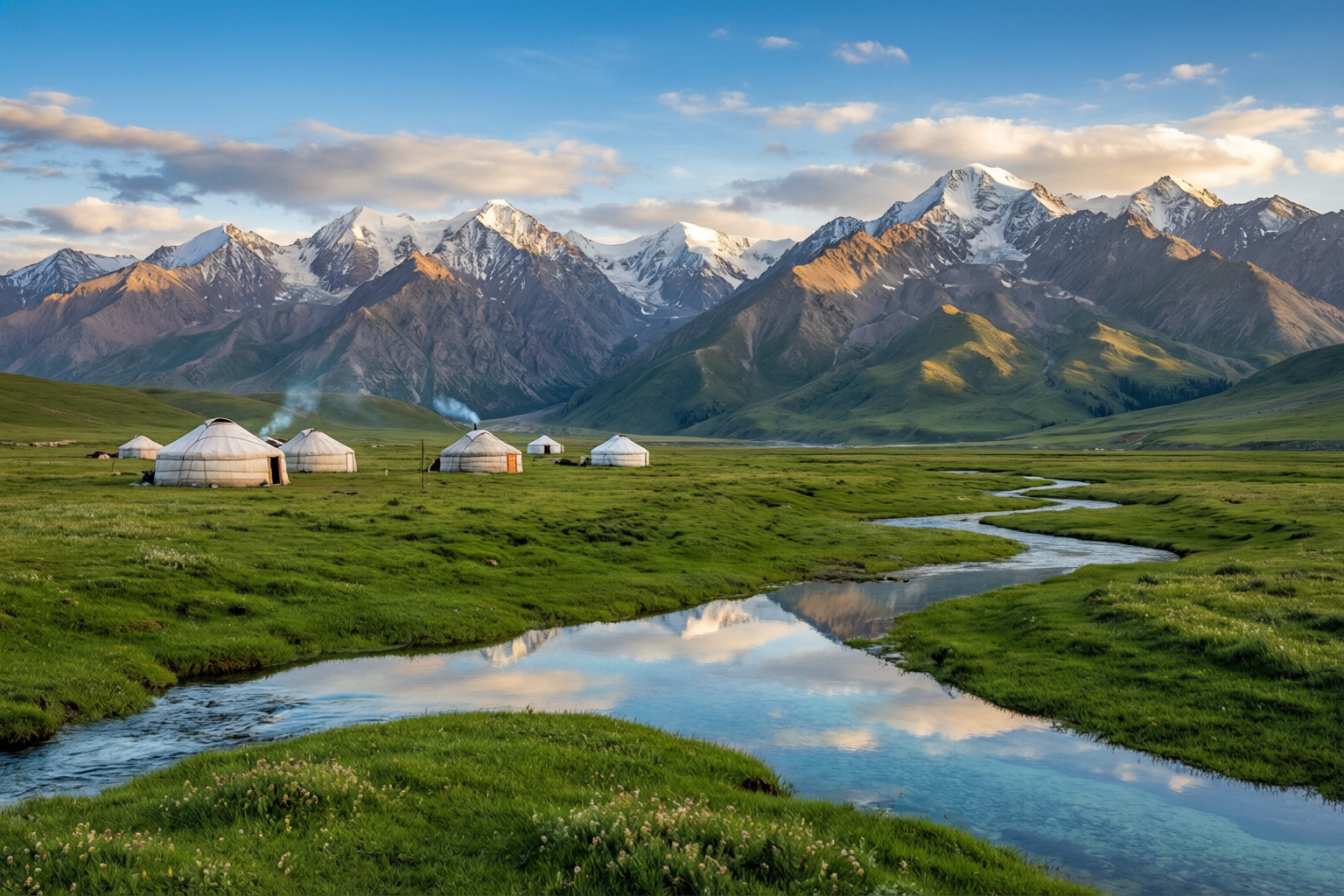
- Nalati & Kalajun Grasslands — By July, these UNESCO-recognized alpine grasslands are at their greenest, with Kazakh yurts dotting the landscape and herds of horses grazing freely.
- Fruit harvest begins — Turpan's grapes, Hami melons, and Korla pears start ripening from July. Visiting a local fruit market in summer is a sensory delight.
What to Expect
plan outdoor activities for early morning or evening. Northern Xinjiang's alpine areas are pleasantly warm at 20-28 degrees C during the day but can drop to 10 degrees C at night. Bring strong sunscreen (UV index is extreme at high altitude), a wide-brim hat, and lightweight layers." data-zh="夏季是最繁忙、消费最高的旅游季节。喀纳斯、伊犁和独库公路沿线的酒店需要提前数周预订,价格可能比春秋淡季高50-100%。吐鲁番盆地白天温度经常超过40度,是地球上最热的地方之一——户外活动请安排在清晨或傍晚。北疆高山地区白天宜人,约20-28度,但夜间可能降至10度。请携带高倍防晒霜(高海拔地区紫外线极强)、宽檐帽和轻薄叠穿衣物。">Summer is the busiest and most expensive time to visit. Hotels in Kanas, Ili, and along the Duku Highway book up weeks in advance, and prices can be 50-100% higher than spring or autumn. Daytime temperatures in the Turpan basin regularly exceed 40 degrees C, making it one of the hottest places on Earth — plan outdoor activities for early morning or evening. Northern Xinjiang's alpine areas are pleasantly warm at 20-28 degrees C during the day but can drop to 10 degrees C at night. Bring strong sunscreen (UV index is extreme at high altitude), a wide-brim hat, and lightweight layers.
If you're set on summer travel, book everything at least three months ahead — especially Duku Highway accommodations and Kanas lodges. Our team at SilkRoad Boutique can secure reservations that are nearly impossible to get independently.
Autumn: September to November
Autumn: Xinjiang's Golden Hour
Autumn is widely considered the single best season for first-time visitors to Xinjiang, and once you see the landscape draped in gold, amber, and crimson, you'll understand why. The searing summer heat fades, the skies turn an impossible shade of blue, and the forests of northern Xinjiang put on one of Asia's most spectacular autumn displays. September and October offer the sweet spot — warm days, cool nights, manageable crowds, and the full breadth of Xinjiang accessible before the Duku Highway closes.
Highlights
- Kanas Lake and Hemu Village — From mid-September to early October, Kanas transforms into a painter's palette. Birch forests turn brilliant gold against the turquoise lake water, while Hemu Village's log cabins are framed by crimson foliage. This is arguably the most photographed landscape in all of China during autumn.
- Tarim Poplar Forests — The ancient poplar trees lining the Tarim River turn vivid yellow in late October to early November. The contrast of golden trees against the Taklamakan Desert's sand dunes is otherworldly.
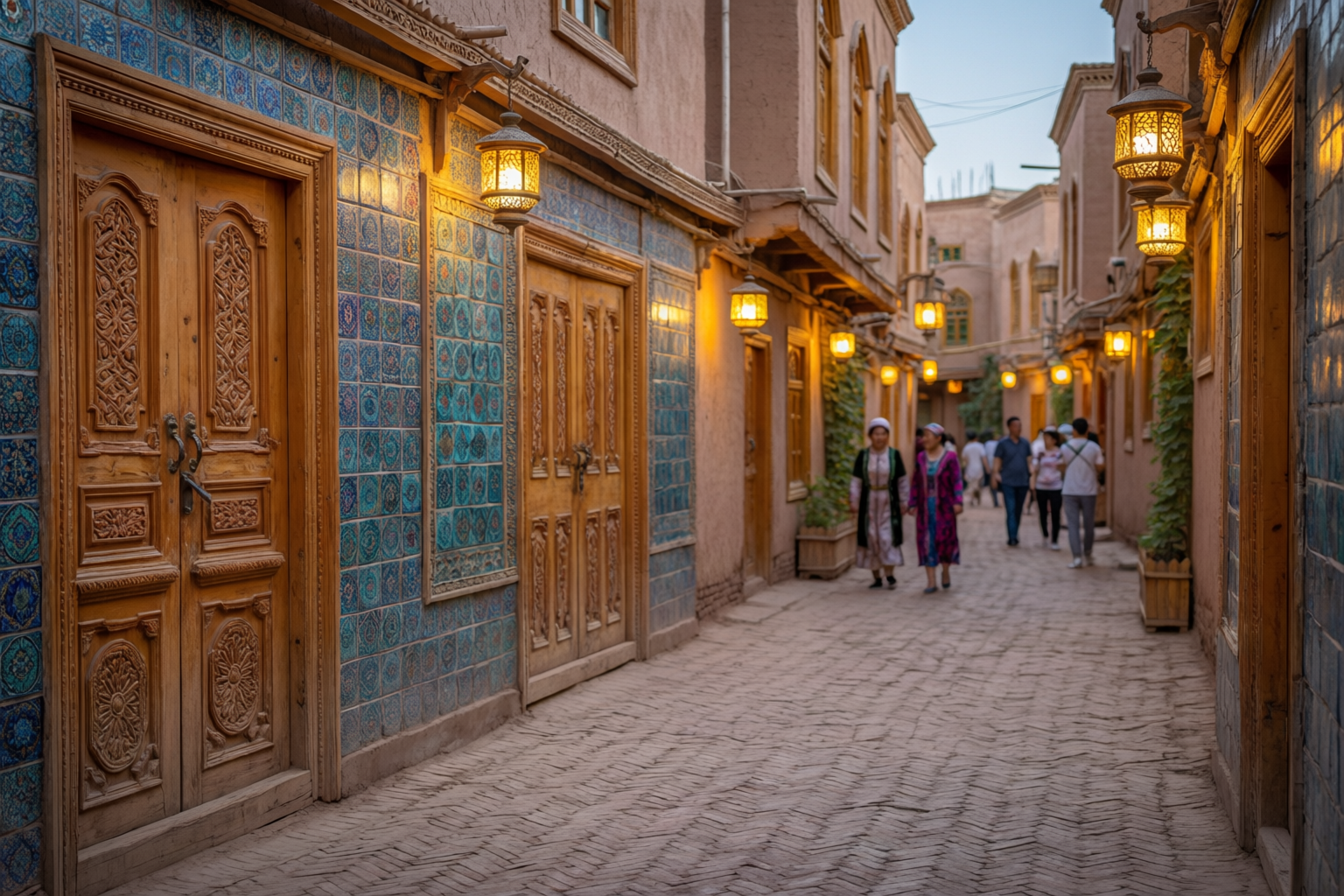
- Kashgar Old City — Autumn's mild temperatures make exploring Kashgar's winding alleys, teahouses, and Sunday livestock market far more pleasant than in the summer heat.
- Peak fruit season — September is peak harvest: Turpan grapes, Korla fragrant pears, Aksu apples, and Hotan pomegranates are at their freshest and sweetest.
Why Autumn Wins for First-Timers
- Comfortable temperatures across the entire region (15-25 degrees C in most areas)
- The Duku Highway is still open through late September or early October
- Autumn foliage peaks in Kanas, creating world-class photography conditions
- Crowds thin significantly after the National Day holiday (October 1-7)
- Both North and South Xinjiang are accessible and at their scenic best simultaneously
Winter: December to February
The Underrated Frontier
Winter in Xinjiang is cold, dramatic, and surprisingly rewarding. If you can handle sub-zero temperatures, you'll be rewarded with pristine snowy landscapes, world-class skiing, virtually empty tourist sites, and prices that are a fraction of summer rates. The Altay region has emerged as one of China's premier ski destinations, with light, dry powder snow that rivals anything in Hokkaido or the Alps.
Highlights
- Altay skiing — Koktokay (Keketuohai) ski resort near Altay offers a 1,200-meter vertical drop, reliable powder, and a fraction of the cost of international ski resorts. The ski season runs from November through March.
- Frozen Kanas Lake — In January and February, Kanas Lake freezes solid, creating a hauntingly beautiful landscape of white ice, dark forests, and snow-dusted mountains. It's a completely different experience from the autumn colors and far more solitary.
- Kashgar without crowds — Winter is the time to experience Kashgar's Old City and Sunday market in their most authentic state, surrounded by locals going about daily life rather than tour groups.
- Budget-friendly travel — Hotels, flights, and tour operators offer significant discounts in winter. Luxury accommodations that cost 2,000+ RMB per night in summer can drop to 500-800 RMB.
What to Expect
Northern Xinjiang is genuinely cold — Altay regularly sees temperatures of minus 25 to minus 35 degrees C, and Urumqi hovers around minus 10 to minus 20 degrees C. Southern Xinjiang is milder but still cold, with Kashgar averaging minus 5 to 5 degrees C. Many scenic roads close for the season, including the Duku Highway and portions of the Karakoram Highway. Some remote hotels shut down entirely. However, if you're prepared with proper winter gear — thermal layers, insulated boots, hand warmers — the experience is extraordinary and entirely uncrowded.
Regional Variations: North vs. South Xinjiang
The Tianshan mountain range divides Xinjiang into two distinct climatic zones, and understanding this split is crucial for trip planning.
North Xinjiang (Beijiang)
North of the Tianshan — including Urumqi, Kanas, Ili, Altay, and the Duku Highway's northern half — experiences a continental climate with cold winters and warm summers. This is the greener, more alpine half of Xinjiang, with vast grasslands, conifer forests, and glacial lakes. Peak scenic beauty runs from June through October. Winter here is long and severe, but spectacular for those prepared for it.
South Xinjiang (Nanjiang)
South of the Tianshan — including Kashgar, Hotan, Aksu, the Taklamakan Desert, and the Tarim Basin — is significantly drier and warmer. Summer temperatures in the desert interior are extreme (often above 40 degrees C), but winters are comparatively mild. The best windows for South Xinjiang are spring (April-May) and autumn (September-October), when temperatures are comfortable for exploring the Old City, desert fringes, and mountain passes.
Month-by-Month Quick Reference
| Month | Highlights | Crowds | Avg. Temp (Urumqi) |
|---|---|---|---|
| March | Turpan warms up, early apricot buds | Very low | -5 to 10 C |
| April | Ili apricot blossoms peak, wild tulips | Low | 5 to 20 C |
| May | Sayram Lake thaw, grasslands green up | Low-Medium | 12 to 26 C |
| June | Lavender fields, Duku Highway opens, rapeseed flowers | Medium-High | 17 to 30 C |
| July | Peak grasslands, fruit harvest begins, long days | Very high | 20 to 33 C |
| August | Peak fruit season, sunflower fields, warm alpine lakes | Very high | 18 to 31 C |
| September | Kanas autumn colors begin, fruit harvest peak | High (early), Medium (late) | 10 to 24 C |
| October | Peak Kanas gold, Tarim poplars, Kashgar at its best | High (Golden Week), Low (late) | 2 to 16 C |
| November | Late Tarim poplars, ski season starts, quieter roads | Low | -5 to 8 C |
| December | Altay powder skiing, frozen landscapes, cultural immersion | Very low | -15 to -3 C |
| January | Frozen Kanas, deep winter, best budget rates | Very low | -20 to -8 C |
| February | Late winter skiing, Chinese New Year festivals | Low (except CNY spike) | -16 to -2 C |
Our Recommendation
If you can only visit once, choose September. The weather is comfortable across both North and South Xinjiang, the Duku Highway is still open, Kanas is beginning its golden transformation, and you'll catch the tail end of fruit harvest season. It's the single month where the greatest number of Xinjiang's experiences overlap.
If you're a photographer, come in mid-September through early October for Kanas and Hemu, or in early April for the Ili apricot blossoms. If you're an adventure seeker, late June through August opens up the Duku Highway, alpine trekking, and the full range of outdoor activities. If you're a skier or budget traveler, December through February offers Altay's world-class powder snow and dramatic savings.
The honest truth? There's no wrong time to visit Xinjiang. Every season has something remarkable to offer. The key is matching the season to your interests, tolerance for crowds, and budget — and working with a knowledgeable operator who can adapt your itinerary to the conditions.
Let Us Match You With the Perfect Season
Tell us your interests, travel dates, and budget — our Xinjiang experts will craft a personalized itinerary that takes full advantage of the season you choose.
Plan Your Seasonal Journey