Introduction: Why Xinjiang Should Be on Your List
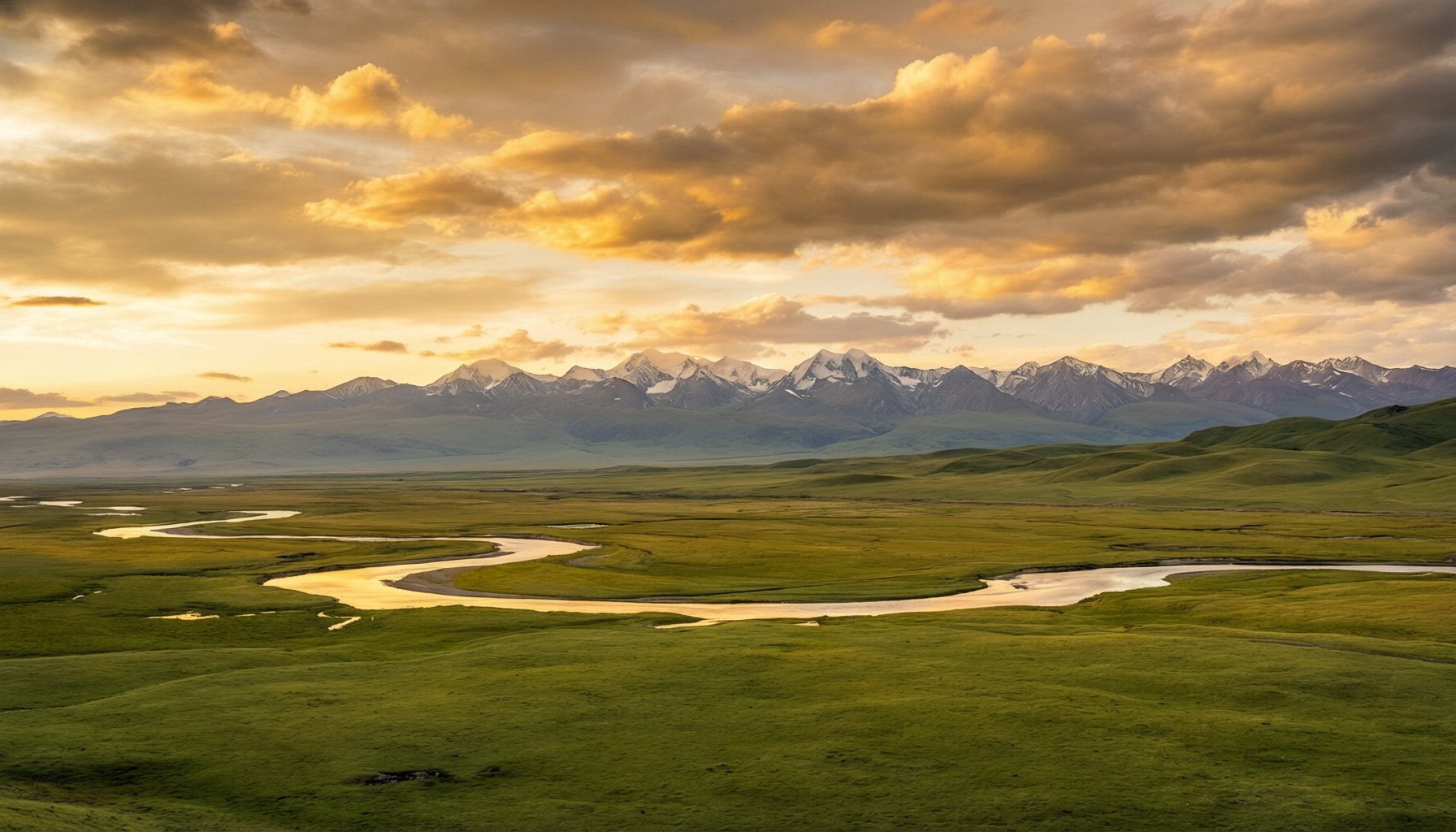
Xinjiang is China's largest province-level region, covering roughly one-sixth of the country's total land area. To put that in perspective, it is larger than Alaska, bigger than most of Western Europe combined, and home to landscapes so varied that you could swear you had crossed into entirely different countries within a single day's drive. From the scorched dunes of the Taklamakan Desert to the snow-capped peaks of the Tianshan Mountains, from the turquoise waters of Kanas Lake to the endless green carpet of the Nalati Grasslands, Xinjiang is a place that defies every expectation you might carry into it.
What truly sets Xinjiang apart from anywhere else in China, however, is not just its geography but its people. The region is home to 47 ethnic groups, including Uyghur, Kazakh, Kyrgyz, Tajik, Hui, Mongolian, and Han Chinese communities, each with their own languages, traditions, music, and cuisine. Walking through the Sunday livestock market in Kashgar, sharing a pot of salted milk tea with a Kazakh herding family in the Altay Mountains, or listening to the haunting call to prayer echo across the rooftops of a Uyghur village — these are experiences that simply cannot be replicated elsewhere.
"Xinjiang is not just a destination. It is a sensory education. The landscapes rewire your sense of scale, and the cultural encounters reshape your understanding of what China truly is." — SilkRoad Boutique Travel Team
That said, traveling in Xinjiang does require more preparation than a typical trip to Beijing or Shanghai. The distances are enormous, the infrastructure is different, and the cultural context is nuanced. This guide covers everything a first-time visitor needs to know, distilled from years of on-the-ground experience organizing luxury tours across the region.
Key Takeaways
- Xinjiang covers 1.66 million km² — plan for long drives and domestic flights between major sights
- September and October offer the most photogenic scenery and comfortable temperatures
- Book accommodation 2–3 months ahead for summer (June–August) and Golden Week (October 1–7)
- Carry your passport at all times and expect security checkpoints on highways
- food alone is worth the trip — lamb skewers, hand-pulled noodles, and the best fruit in China" data-zh="光是美食就值得专程前往——烤羊肉串、拉条子和全中国最好的水果">The food alone is worth the trip — lamb skewers, hand-pulled noodles, and the best fruit in China
Best Time to Visit
seasons and even between day and night. The region's sheer size also means that conditions in the southern desert around Hotan can be radically different from the northern alpine country near Altay. Choosing when to visit depends on what you want to see and how much heat or cold you can tolerate." data-zh="新疆属于大陆性气候,季节之间乃至昼夜之间温差极大。幅员辽阔也意味着南疆和田的沙漠气候与北疆阿勒泰的高山气候截然不同。选择何时出行取决于您想看的风景以及对冷热的耐受度。">Xinjiang's climate is continental, which means extreme temperature swings between seasons and even between day and night. The region's sheer size also means that conditions in the southern desert around Hotan can be radically different from the northern alpine country near Altay. Choosing when to visit depends on what you want to see and how much heat or cold you can tolerate.
Spring (April–May)
Spring in Xinjiang arrives slowly and beautifully. The headline event is the apricot blossom season in the Yili Valley, typically peaking in early to mid-April. Entire hillsides explode in pink and white, and the air smells faintly sweet. Wildflowers begin emerging across the foothills, temperatures are mild at 15–25°C, and tourist crowds are still thin. This is arguably the best window for photography, since the light is soft, the landscapes are fresh and green, and you will not be fighting for elbow room at popular viewpoints. The downside is that higher-altitude roads, including the Duku Highway, remain closed due to snow.
Summer (June–August)
Summer is peak season for good reason. The lavender fields around Huocheng bloom in June, rivaling anything in Provence. The Nalati and Bayanbulak grasslands are at their lushest, dotted with Kazakh yurts and grazing horses. Most importantly, the legendary Duku Highway — one of the most spectacular mountain drives in the world — opens from June through October, cutting through the heart of the Tianshan range over passes exceeding 3,400 meters. Temperatures in the lowlands range from 25–35°C, though mountain areas stay comfortably cool. The trade-off is that prices rise, popular sites get crowded, and you need to book accommodation and transport well in advance.
Autumn (September–October)
For many seasoned Xinjiang travelers, autumn is the gold standard. Kanas Lake in northern Xinjiang transforms into a canvas of golden birch and larch forests reflected in crystalline water, and the Hemu and Baihaba villages look like scenes from a fairy tale with their log cabins wreathed in morning mist. In the south, the Turpan grape harvest is in full swing, and you can taste dozens of varieties straight from the vine. Temperatures are ideal at 10–25°C. The only caveat is China's National Day holiday (October 1–7), when domestic tourism surges and prices double. Travel in late September or after October 8 to avoid the crush.
Winter (November–March)
hotels offer significant discounts. The catch is the cold: temperatures routinely plunge to −20°C and can reach −30°C in the north. Proper cold-weather gear is non-negotiable." data-zh="冬日的新疆完全是另一个世界,也越来越受到探险旅行者的青睐。阿勒泰地区已成为中国顶级的粉雪滑雪胜地,可可托海和将军山等滑雪场提供世界级的雪道,价格远低于欧洲雪场。冰封的喀纳斯湖被银装素裹的森林环抱,美到令人屏息。游客大幅减少,酒店折扣力度大。唯一考验是严寒:气温经常降至零下20度,北部可达零下30度。专业御寒装备不可或缺。">Winter Xinjiang is an entirely different world and an increasingly popular destination for adventurous travelers. The Altay region has become China's premier powder snow skiing destination, with resorts like Keketuohai and Jiangjunshan offering world-class terrain at a fraction of European prices. A frozen Kanas Lake surrounded by snow-laden forests is hauntingly beautiful. Tourist numbers drop dramatically, and hotels offer significant discounts. The catch is the cold: temperatures routinely plunge to −20°C and can reach −30°C in the north. Proper cold-weather gear is non-negotiable.
| Season | Temperature Range | Highlights |
|---|---|---|
| Spring (Apr–May) | 15–25°C | Apricot blossoms, wildflowers, photography |
| Summer (Jun–Aug) | 25–35°C | Lavender fields, Duku Highway, grasslands |
| Autumn (Sep–Oct) | 10–25°C | Kanas golden forests, grape harvest, clear skies |
| Winter (Nov–Mar) | −30 to 0°C | Powder skiing, frozen Kanas, deep discounts |
Getting Around Xinjiang
itinerary needs to account for significant travel time between destinations, and choosing the right transport mode is critical to enjoying your trip rather than spending it exhausted in a vehicle." data-zh="在新疆旅行,首先要理解的最重要一点就是尺度。乌鲁木齐到喀什约1500公里——相当于巴黎到罗马的距离;乌鲁木齐到北疆阿勒泰也有600多公里。这不是可以当日往返的距离。每一段行程都需要预留充足的在途时间,选择合适的交通方式对于享受旅行而非疲于赶路至关重要。">The single most important thing to understand about traveling in Xinjiang is the scale. The distance from Urumqi to Kashgar is roughly 1,500 kilometers — comparable to Paris to Rome. Urumqi to Altay in the north is over 600 kilometers. These are not day-trip distances. Every itinerary needs to account for significant travel time between destinations, and choosing the right transport mode is critical to enjoying your trip rather than spending it exhausted in a vehicle.
Domestic Flights
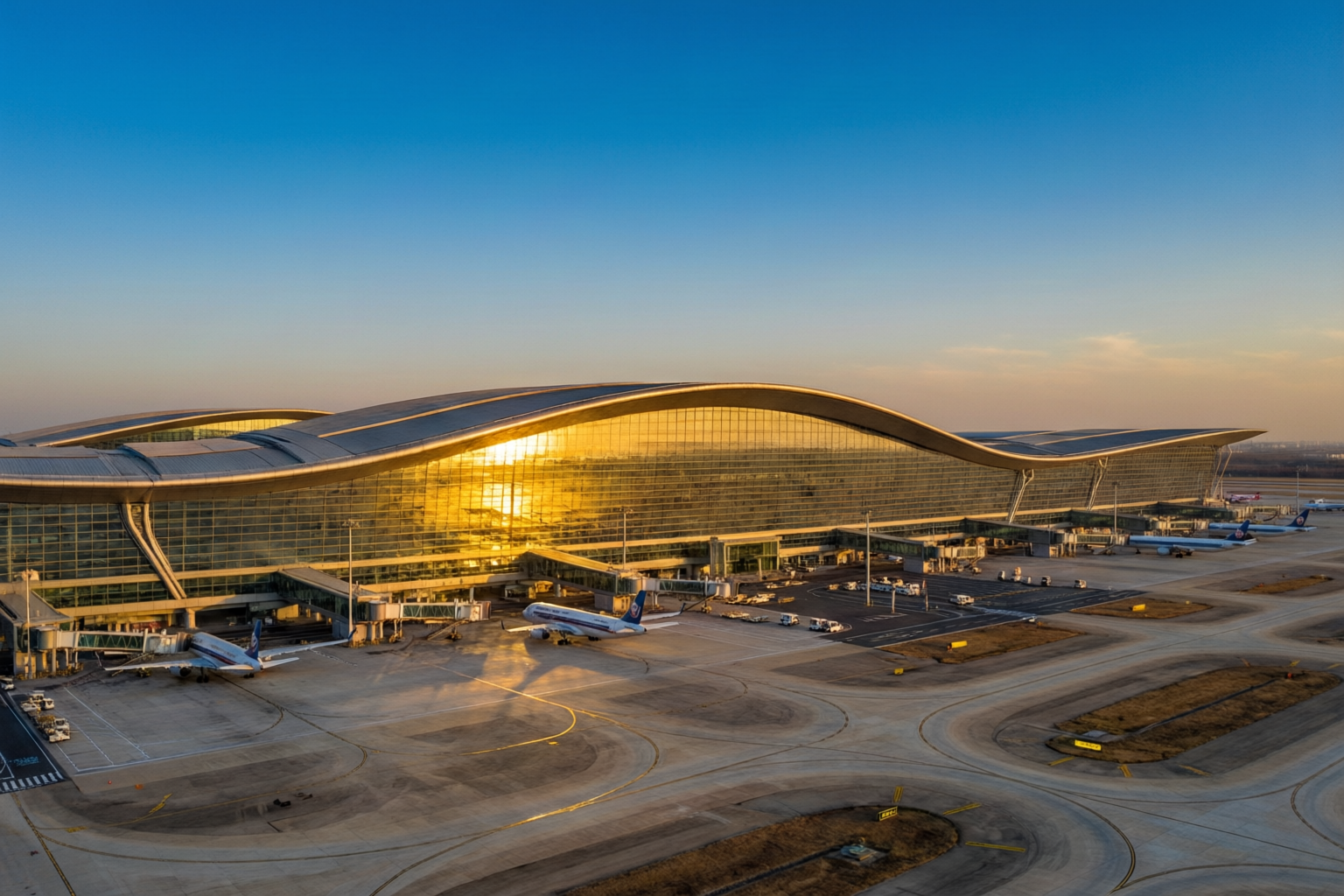
For covering long distances quickly, domestic flights are indispensable. Urumqi Diwopu International Airport serves as the hub, with regular connections to key destinations across Xinjiang:
- Urumqi to Kashgar: approximately 2 hours, multiple daily flights
- Urumqi to Altay: approximately 1.5 hours, daily flights
- Urumqi to Kanas: approximately 1 hour, seasonal flights (summer/autumn)
- Urumqi to Yining (Ili): approximately 1.5 hours, daily flights
- Urumqi to Korla: approximately 1 hour, daily flights
China Southern operates most routes, with Spring Airlines offering budget options. Book early for the best fares, especially during peak season.
Trains
China's rail network reaches into Xinjiang, though journeys are long. The high-speed rail from Urumqi to Lanzhou takes about 10 hours and connects to the rest of the national network. Urumqi to Hami is roughly 3 hours by high-speed train. For Kashgar, the standard train from Urumqi takes around 18 hours but offers a sleeper berth experience that many travelers find memorable. The overnight train passes through dramatic desert and mountain scenery, and the soft sleeper compartments are comfortable and private.
Private Car with Driver
For most SilkRoad Boutique itineraries, a private car with a professional local driver is the recommended way to travel. This provides maximum flexibility, comfort, and access to scenic routes where public transport simply does not exist. The Duku Highway, the Karakoram Highway, and countless rural roads between villages have no bus or train service. A good driver also serves as an informal guide, knowing where to stop for the best views, the freshest food, and the most interesting local encounters. Expect to pay ¥600–1,000 per day for a vehicle with driver, depending on the route and vehicle type.
Self-Driving
Self-driving is possible but comes with real challenges. Distances between fuel stops can exceed 200 kilometers in remote areas. Road conditions vary enormously, from pristine expressways to rough mountain tracks. GPS coverage can be spotty, and signage is primarily in Chinese. You will need a Chinese driving license (international licenses are not accepted), a reliable vehicle, and a willingness to handle long days behind the wheel. For experienced road-trippers, driving the Duku Highway or the desert highways around the Taklamakan is genuinely thrilling — but it is not a casual undertaking.
Transport Tips
- Combine flights for long distances (Urumqi–Kashgar) with private car for scenic regional travel
- Book summer and Golden Week flights at least 2 months in advance for best fares
- Carry snacks, water, and a power bank for any drive over 4 hours
- Download offline maps before departing cities — cell signal drops in mountain and desert areas
Accommodation Options
Xinjiang's accommodation landscape has improved dramatically over the past decade. Major cities now offer international-standard hotels, while remote scenic areas have developed unique lodging options that are experiences in themselves. That said, the range of quality is wide, and knowing what to expect at each price point will help you plan realistically.
Luxury (¥800–3,000/night)
In Urumqi, you will find familiar international brands: the Hilton Urumqi, Sheraton Urumqi, and JW Marriott all offer modern amenities, excellent service, and English-speaking staff. These properties feature full-service restaurants, fitness centers, and concierge services that can arrange day trips and local experiences. In Kashgar, the Radisson Blu and a handful of upscale boutique properties provide a comfortable base for exploring the Old City. Expect prices at the higher end during summer and National Day.
Boutique & Heritage (¥300–800)
This is where Xinjiang really shines. The Kashgar Old City has a growing number of beautifully restored guesthouses set in traditional Uyghur courtyard homes, with carved wooden columns, colorful tile work, and rooftop terraces overlooking the ancient neighborhood. In Yining, several heritage hotels occupy converted buildings from the city's multicultural past, blending Russian, Uyghur, and Chinese architectural styles. These properties offer character and authentic local flavor that no chain hotel can match.
Mid-Range (¥150–400)
China's reliable business hotel chains — Home Inn, Hanting, Ibis, and JI Hotel — operate across Xinjiang's cities and larger towns. They are clean, consistent, and provide the essentials: air conditioning, WiFi, hot showers, and a breakfast buffet. They are not glamorous, but they are dependable, and at this price point they represent excellent value.
Unique Stays
Some of the most memorable nights in Xinjiang are spent in lodging that connects you directly to the landscape:
- Yurt camping on Nalati Grassland (¥200–500): Sleep in a traditional Kazakh felt yurt, wake to the sound of horses, and eat a home-cooked meal with a herding family. Basic but unforgettable.
- Hemu log cabins (¥150–400): In the Tuvan village of Hemu, stay in hand-built wooden cabins surrounded by birch forests and alpine meadows. Mornings here, with mist rising off the Hemu River, are magical.
- Desert glamping near the Taklamakan (¥300–800): A handful of operators now offer luxury tented camps on the desert's edge, complete with proper beds, en-suite bathrooms, and guided camel treks at sunset.
Pro tip: In mountain and rural areas, hot water may be available only at certain hours, and WiFi can be unreliable. Carry a sense of adventure and a backup power bank.
Food & Drink: Must-Try Dishes
If there is one thing that unites every traveler who visits Xinjiang, it is an overwhelming love for the food. Xinjiang cuisine is a world apart from the Cantonese, Sichuan, or Shanghainese dishes most people associate with Chinese food. Drawing on Uyghur, Kazakh, Kyrgyz, Hui, and Central Asian culinary traditions, the food here is hearty, boldly spiced, and centered around lamb, hand-pulled noodles, and bread baked in clay ovens. Below are the dishes you absolutely must try.
Big Plate Chicken (大盘鸡, Dà Pán Jī)
This iconic dish originated in Shawan, a small town on the road to Kanas. It consists of chunks of chicken braised with potatoes, green and red peppers, and a fragrant blend of spices, all served on an enormous plate. Once the chicken is finished, the server adds hand-pulled noodle sheets (皮帧面, píng zí miàn) directly into the spicy, savory sauce. It is meant to be shared, and it is spectacular.
Lamb Skewers (烤羊肉串, Kǎo Yáng Ròu Chuàn)
Xinjiang's signature street food needs no introduction. Fat chunks of lamb, generously seasoned with cumin and chili flakes, grilled over charcoal until the edges are charred and the inside is still juicy. You will find them sizzling on every street corner in every Xinjiang city, usually sold by the handful. They are addictive.
Polo / Pilaf (抓饭, Zhuà Fàn)
A festive dish of rice cooked slowly with lamb, carrots, onions, raisins, and sometimes chickpeas. The rice absorbs all the rich flavors of the meat and spices. It is traditionally served on large communal platters and eaten with your hands, though spoons are usually provided for those who prefer them.
Lagman Noodles (拉条子, Lá Tiáo Zi)
Thick, chewy hand-pulled noodles served with a stir-fry of tomatoes, peppers, onions, celery, and lamb or beef. The noodles are pulled fresh to order, and watching the cooks stretch and slap the dough is entertainment in itself. Every restaurant has its own version, and trying as many as possible is a worthy pursuit.
Naan Bread (饿, Náng)
Baked in tandoor-style clay ovens called tonur, naan is the staple bread of Xinjiang. There are dozens of varieties: plain round naan with a patterned center, sesame naan, stuffed naan filled with lamb and onions, sweet naan with rose jam, and thin crispy naan that shatters like a cracker. Fresh naan straight from the oven is one of the simplest and most satisfying things you will eat in Xinjiang.
More Must-Try Foods
- Roasted Whole Lamb (烤全羊): A celebratory dish for large groups, slow-roasted in a pit oven until the skin is crackling-crisp and the meat falls off the bone. Order a day ahead.
- Samsa (烤包子): Flaky pastry pockets filled with minced lamb and onions, baked against the walls of a clay oven. The perfect on-the-go snack.
- Xinjiang Fruits: Hami melons, Turpan grapes, Korla fragrant pears, Hotan walnuts and pomegranates. Xinjiang's climate produces some of the finest fruit in all of Asia — do not leave without trying them.
- Salted Milk Tea: The Kazakh and Mongolian staple — strong black tea mixed with fresh milk and a pinch of salt. An acquired taste that grows on you fast, especially on a cold morning in the mountains.
- Xinjiang Red Wine: The Turpan region produces surprisingly good wine, and local wineries like Loulan and Xiangxue are worth seeking out.
- Wusu Beer: Xinjiang's own lager brand, crisp and refreshing after a long day of travel.
Packing List
Packing for Xinjiang requires some thought because of the extreme variations in climate, altitude, and activities you might encounter on a single trip. You could start your morning in a 35°C desert and end it in a 5°C mountain pass. Layering is the key strategy, regardless of season.
Summer Packing (June–August)
- Light, breathable clothing (cotton or linen shirts, loose trousers)
- Wide-brimmed sun hat and high-quality sunglasses — UV exposure is intense
- SPF 50+ sunscreen (reapply frequently, especially at altitude)
- Light jacket or fleece for evenings, especially in mountain areas where temperatures drop sharply after sunset
- Comfortable walking shoes with good grip for uneven terrain
- Swimsuit (some hotels and natural hot springs)
Autumn Packing (September–October)
- Warm base layers and mid-layers (fleece or merino wool)
- Light down jacket — essential for early mornings at Kanas and Hemu
- Scarf or buff for dusty roads and chilly winds
- Comfortable hiking boots with ankle support
- Warm hat and light gloves for high-altitude areas
Winter Packing (November–March)
- Heavy down jacket rated to −30°C (non-negotiable)
- Thermal underwear (top and bottom, merino or synthetic)
- Insulated snow boots with good traction
- Chemical hand and toe warmers (buy in bulk at any Chinese pharmacy)
- Thick wool socks, insulated gloves, warm hat with ear coverage
- Lip balm and heavy moisturizer — the air is extremely dry
All-Season Essentials
Don't Leave Home Without These
- Passport plus photocopies (required for hotel check-in and security checkpoints)
- High-capacity power bank (10,000+ mAh) — drives of 6–10 hours are common
- Snacks and energy bars for long drives between towns
- Wet wipes and hand sanitizer (rest stops are not always well-stocked)
- Reusable water bottle — hot water is freely available at restaurants, hotels, and gas stations
- Offline maps downloaded to your phone before leaving cities
Practical Tips
Time Zones: The Two-Clock Problem
Officially, all of China operates on Beijing time (UTC+8). In practice, many locals in Xinjiang use "Xinjiang time" (UTC+6), which is two hours behind Beijing time. This means that when your hotel alarm says 8:00 AM, it might feel more like 6:00 AM outside. Restaurants may list opening hours in either time system. The sunrise in summer doesn't happen until nearly 7:00 AM Beijing time, and sunset can stretch past 10:30 PM. Always confirm meeting times by specifying which clock you are using — "Beijing time" or "local time" — to avoid confusion.
Security and Safety
Xinjiang has a significant security presence. You will pass through checkpoints on highways, at shopping malls, hotels, and public transport stations. This is normal and applies to everyone equally. Always carry your passport — you will need it frequently. The security infrastructure means that violent crime against tourists is exceptionally rare. Xinjiang is, in practice, one of the safest travel destinations in China for visitors.
Bargaining
Bargaining is expected and enjoyed at bazaars, markets, and small shops. A good rule of thumb is to start at 40–50% of the asking price and negotiate toward a middle ground. The interaction is part of the cultural experience — be friendly, smile, and treat it as a game rather than a confrontation. Prices in supermarkets, malls, restaurants, and hotels are fixed.
Photography Etiquette
Always ask permission before photographing people, especially in rural communities and at religious sites. A simple gesture toward your camera and a smile is universally understood. Most people are happy to pose and many will want to take a photo with you as well. Military installations, government buildings, and security checkpoints are strictly off-limits for photography. When in doubt, ask.
Altitude Awareness
While most of Xinjiang sits at moderate elevations, several popular destinations are high enough to cause mild altitude effects:
- Heavenly Lake (Tianchi): 1,910 meters — most people feel fine
- Duku Highway passes: up to 3,400 meters — some travelers experience mild headaches or shortness of breath
- Karakul Lake (on the Karakoram Highway): 3,600 meters — take it easy and hydrate well
On your first day at altitude, avoid strenuous activity, drink plenty of water, and eat light meals. If you have a history of altitude sickness, consult your doctor before traveling and consider bringing acetazolamide (Diamox).
Common Misconceptions
Xinjiang remains one of the least understood travel destinations for international visitors. Before you dismiss it based on outdated or inaccurate assumptions, consider the reality:
"Xinjiang is unsafe"
This is the most persistent misconception, and it is simply not supported by the experience of traveling there. Xinjiang has an extremely heavy security presence, which translates to very low crime rates. Tourists are not targeted, and the region receives millions of domestic Chinese tourists every year who travel freely and safely. Our international guests consistently report feeling completely at ease throughout their journeys. The security measures you encounter — checkpoints, ID checks, bag scanners — are a routine part of daily life, similar to airport security, and they apply to everyone.
"It's all desert"
Xinjiang contains deserts, yes — the Taklamakan is the world's second-largest shifting sand desert and is genuinely awe-inspiring. But the region also has snow-capped mountains, alpine lakes, dense forests, vast grasslands, wetlands, canyons, glaciers, and river valleys. The diversity is staggering. You can ski powder snow in the morning and be surrounded by green grassland by afternoon. Reducing Xinjiang to "desert" is like reducing Switzerland to "cheese."
"Nobody speaks English"
While English is not widely spoken among the general population, the tourism infrastructure is well-developed. Hotels in major cities have English-speaking front desk staff. With a professional tour operator like SilkRoad Boutique, your guide will be fluent in English (or your preferred language) and will handle all translation, logistics, and cultural interpretation. Several apps, including Google Translate with offline Chinese language packs, make independent communication manageable for basic needs.
"You'll only get Chinese food"
Nothing could be further from the truth. Xinjiang's cuisine is heavily influenced by Uyghur, Kazakh, Kyrgyz, and broader Central Asian traditions. You will eat roasted lamb seasoned with cumin, hand-pulled noodles, tandoor-baked bread, pilaf, dumplings, and fresh dairy products from highland pastures. The food culture is one of the most compelling reasons to visit, and it bears almost no resemblance to the Cantonese or Sichuan dishes you might know from restaurants in your home country.
"It's hard to get to"
Xinjiang is more accessible than most people realize. There are multiple daily flights from Beijing, Shanghai, Guangzhou, and Chengdu to Urumqi, with flight times of 3–5 hours. International connections exist from Central Asian capitals like Almaty and Tashkent. The high-speed rail link from Lanzhou to Urumqi connects the region to China's national rail grid. Once you are in Urumqi, domestic flights reach every major destination within the region in under two hours.
The biggest mistake first-time visitors make is not coming at all. The second biggest is not allowing enough time. Xinjiang rewards those who slow down and let the landscape and culture reveal themselves on their own schedule.